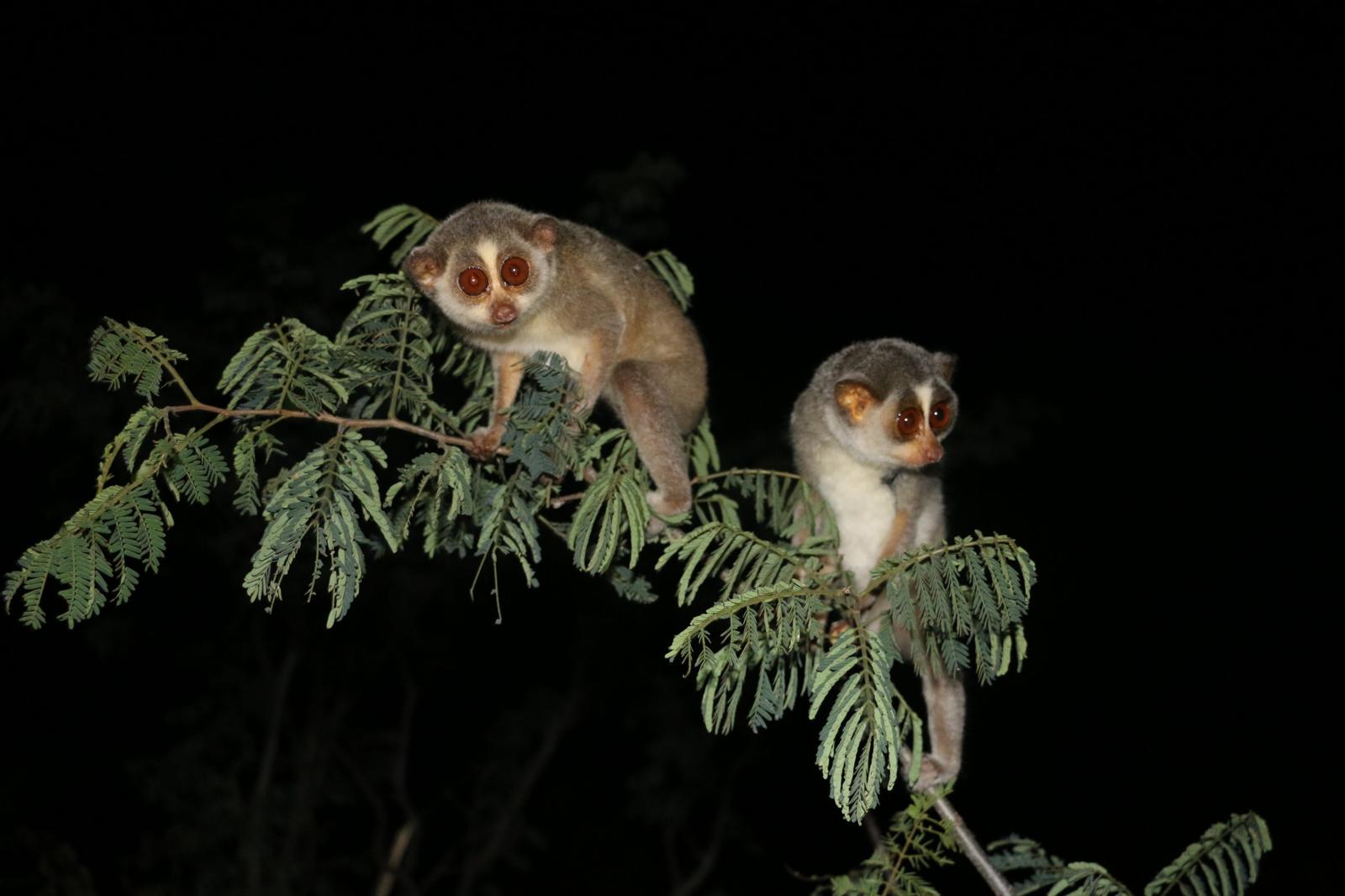
Biodiversity: Slender loris
Protecting the slender loris of the Eastern Ghats and greening farmland across Tamil Nadu.
View projectsSEEDS Trust builds self-reliant rural communities while safeguarding natural ecosystems for future generations, driving grassroots impact across sustainable livelihoods, biodiversity conservation, and climate-resilient agriculture.
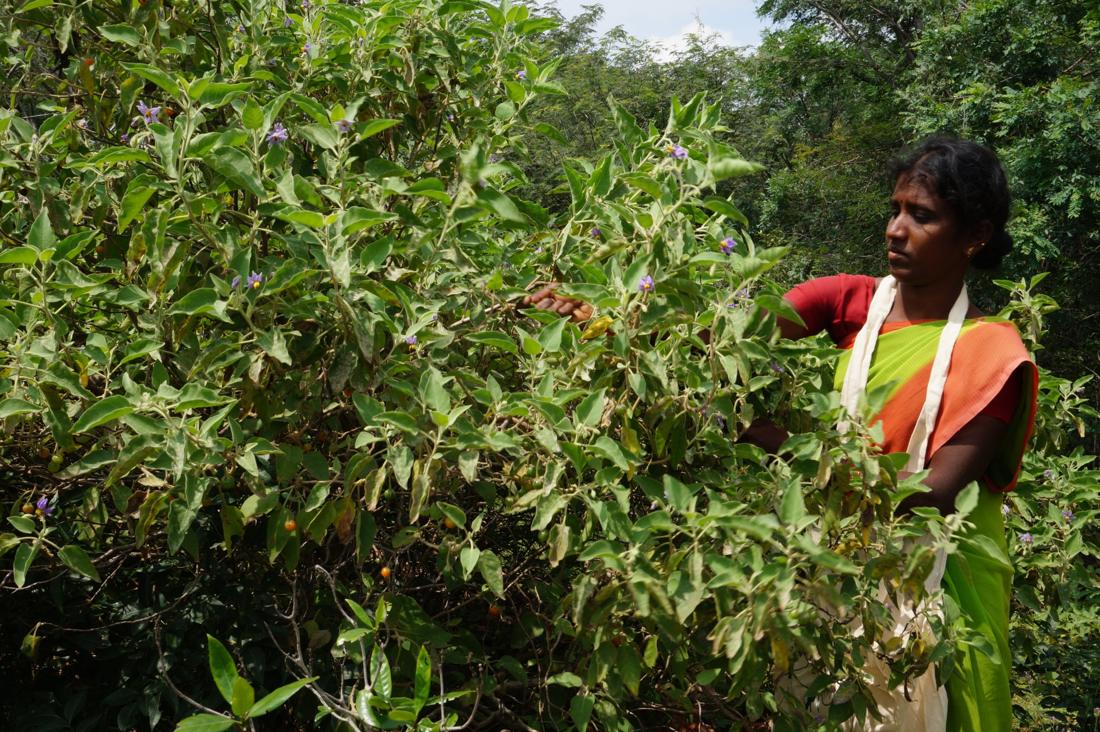
We partner with tribal and coastal communities in Tamil Nadu to restore forests, protect wildlife and create sustainable livelihoods.
SEEDS Trust is a non-governmental, non-profit, non-sectarian voluntary organisation led by a governing body of seven trustees, founded by Muthusamy Palanivel. Every project is rooted in local participation and long-term impact.
SEEDS Trust envisions sustainable, autonomous communities cultivated through holistic socio-economic initiatives and responsible environmental stewardship.
We focus on holistic, people- and nature-centric progress in underserved communities through targeted initiatives in education, social empowerment, environmental sustainability, and sustainable livelihoods for achieving UN Sustainable Development Goals.
Every programme links the wellbeing of people with the health of the land, forests and coast they depend on.
Protecting the slender loris of the Eastern Ghats and greening farmland across Tamil Nadu.
View projects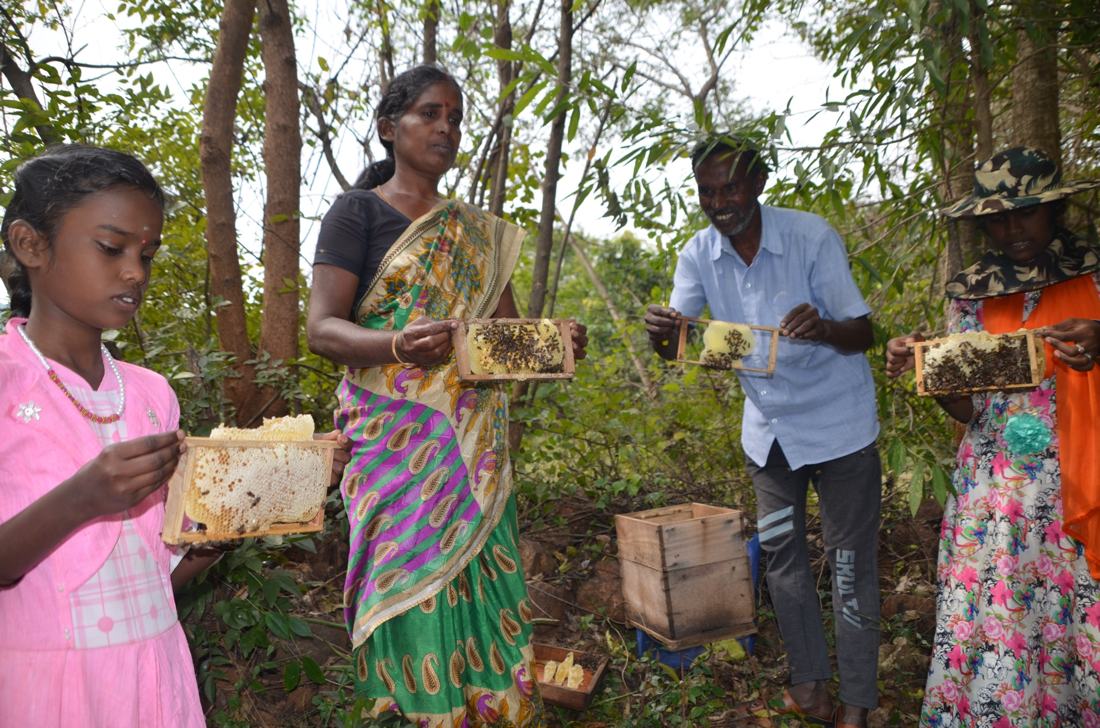
Beekeeping, organic farming, composting and community nurseries that raise incomes for tribal and rural families.
View projects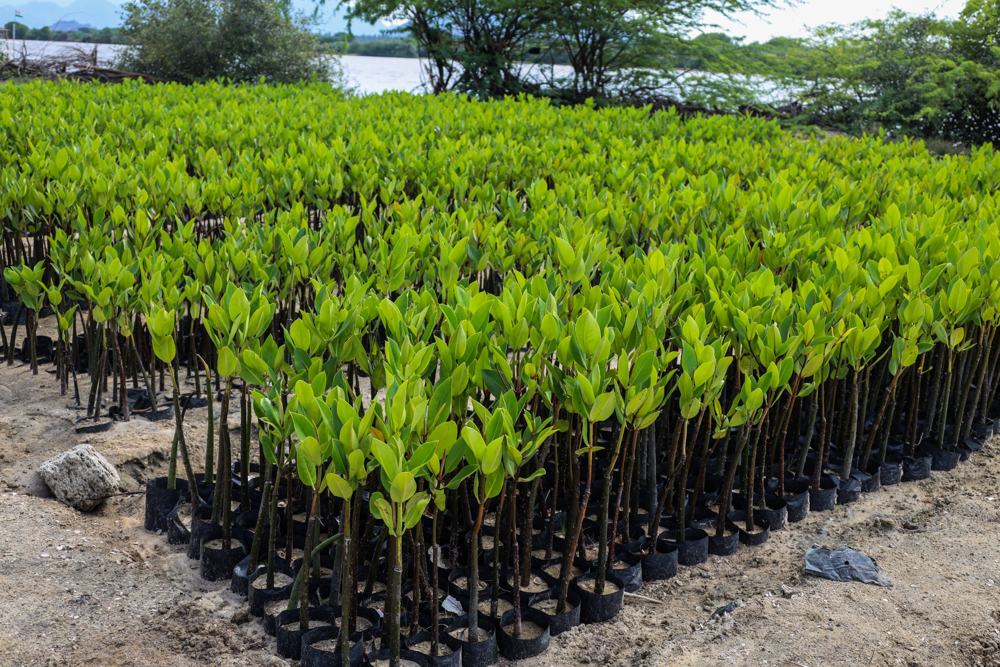
Restoring mangrove estuaries on the Kanniyakumari coast with local communities.
View projectsWhere we focus: Eastern Ghats, Western Ghats and coastal ecosystems of Tamil Nadu, India. Communities: women, children, tribal, fisherfolk, farmers and indigenous communities.
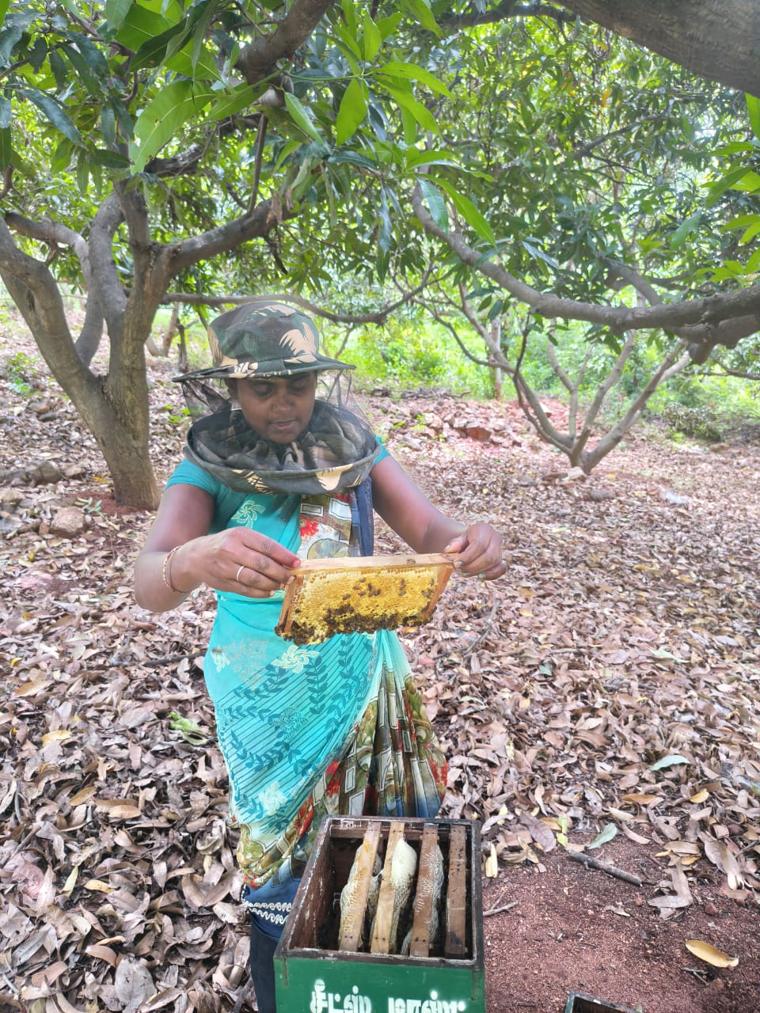
A dual-impact initiative that combines modern apiculture with agroecological practices to counter pesticide-driven pollinator decline, protect wild bee colonies, conserve local biodiversity and curb distress migration across the Ayyalur region and selected estuarine landscapes.
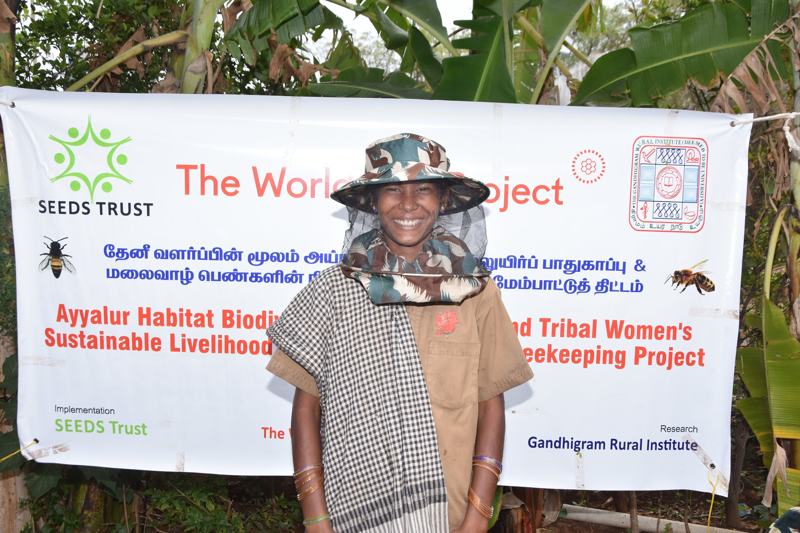
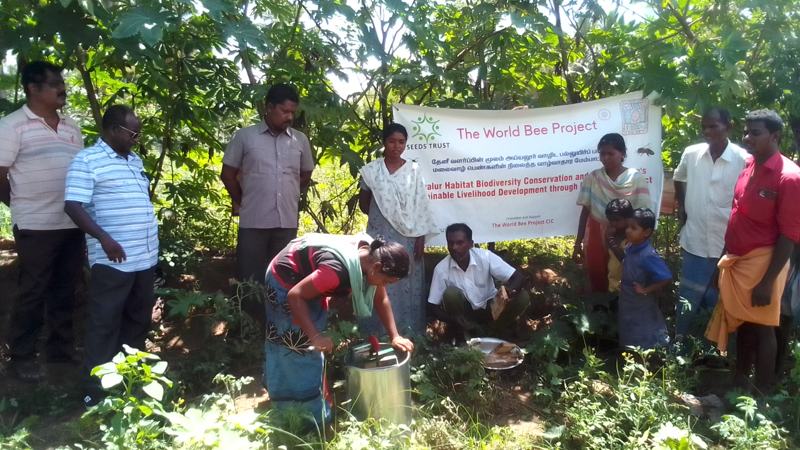
The programme gives technical training and end-to-end infrastructure, including 1,600 hives, and plants 90,000 native trees to widen foraging corridors. This boosts pollinator populations, increases agricultural yields and reduces environmental degradation and climate vulnerability.
Producers are organised into three community user groups and an apex federation. The community-governed model sells 4 to 6 tonnes of honey a year, on top of the honey households keep for their own nutrition.
Women from neighbouring indigenous communities are asking to join. The project is also a living laboratory for school students, agricultural extension staff and academic researchers.
From forest to coast.
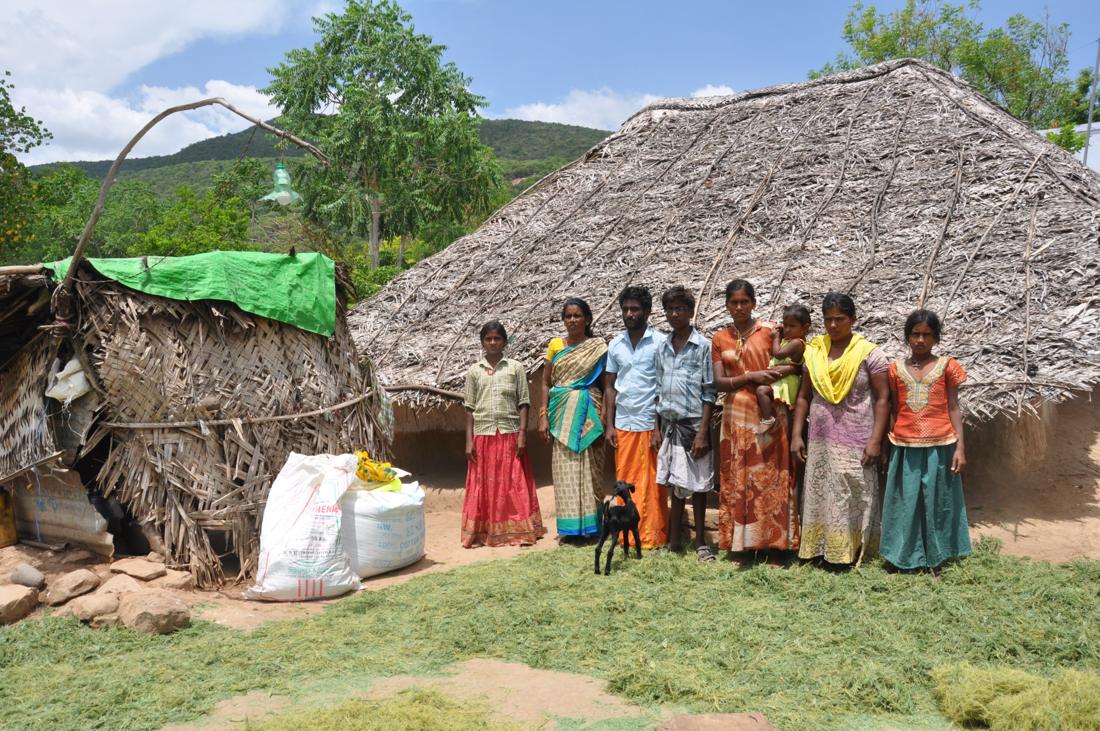
Women, children, farmers and honey hunters work with us across the Ghats and the coast.
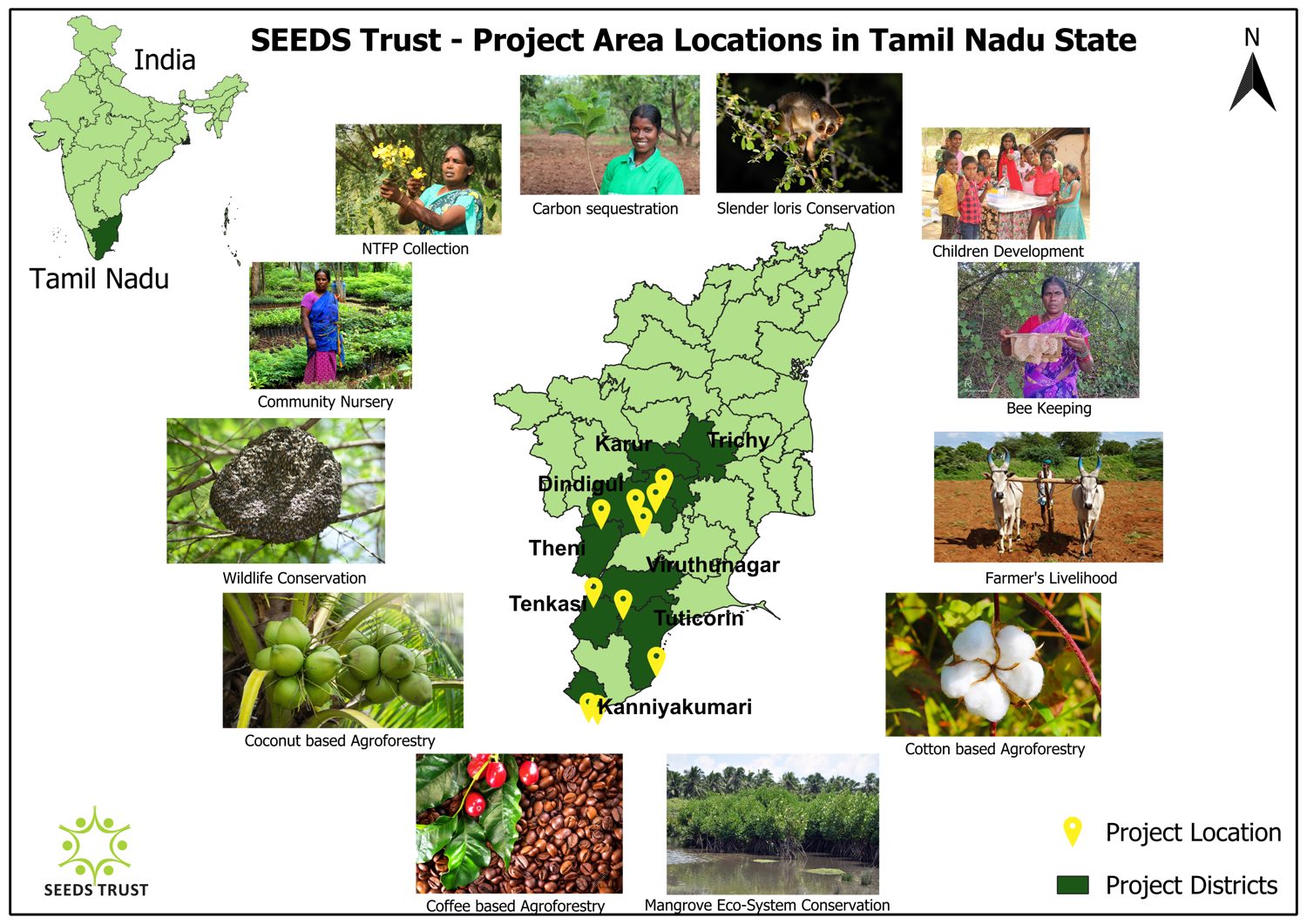
Project districts and locations across Tamil Nadu, from the Eastern and Western Ghats to the coast.
We work alongside government, research, conservation and funding institutions.
We welcome partners who share our commitment to communities and ecosystems.
Fund programmes in livelihoods, education, conservation or climate resilience. We are registered for CSR (CSR00013047).
Support our work with 12A and 80G registration, and FCRA registration for international funding.
Our projects serve as a living laboratory for students, extension staff and researchers.
We work with government departments, CSR partners, universities and international funders. Get in touch to discuss collaboration or support.